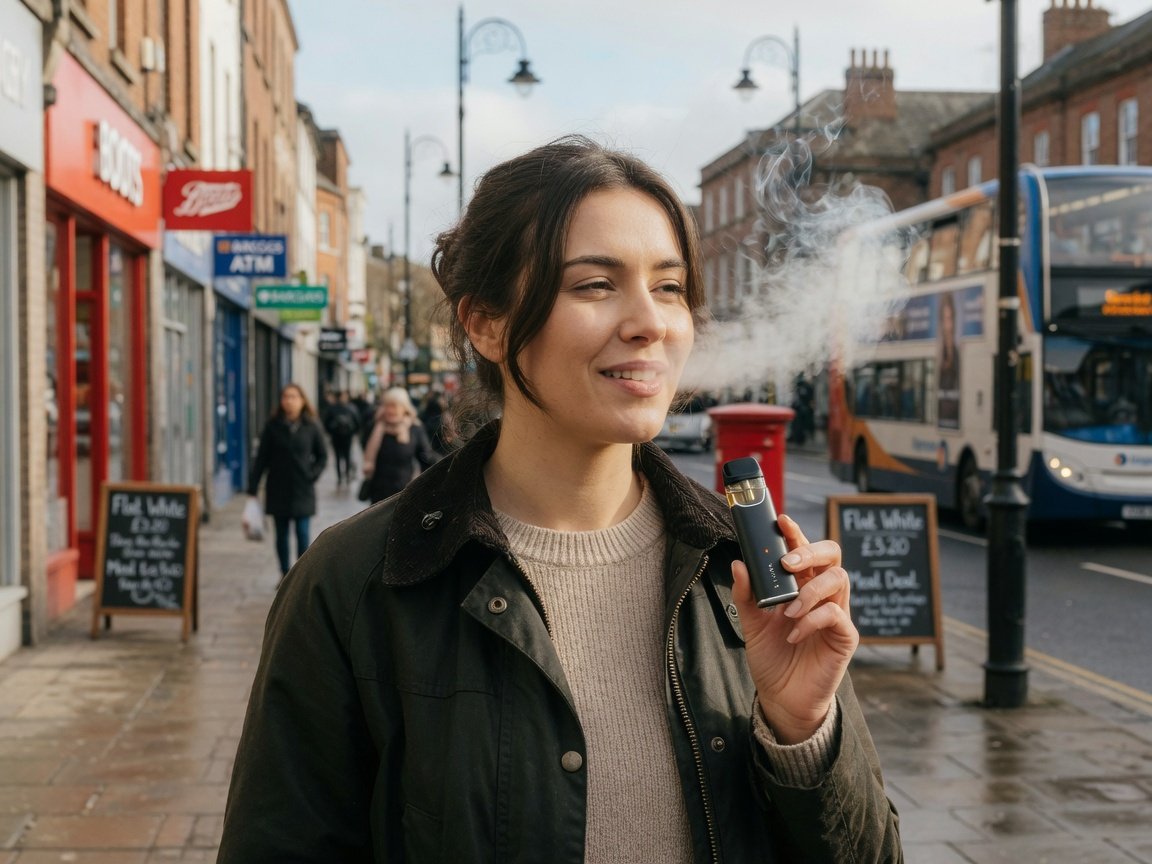
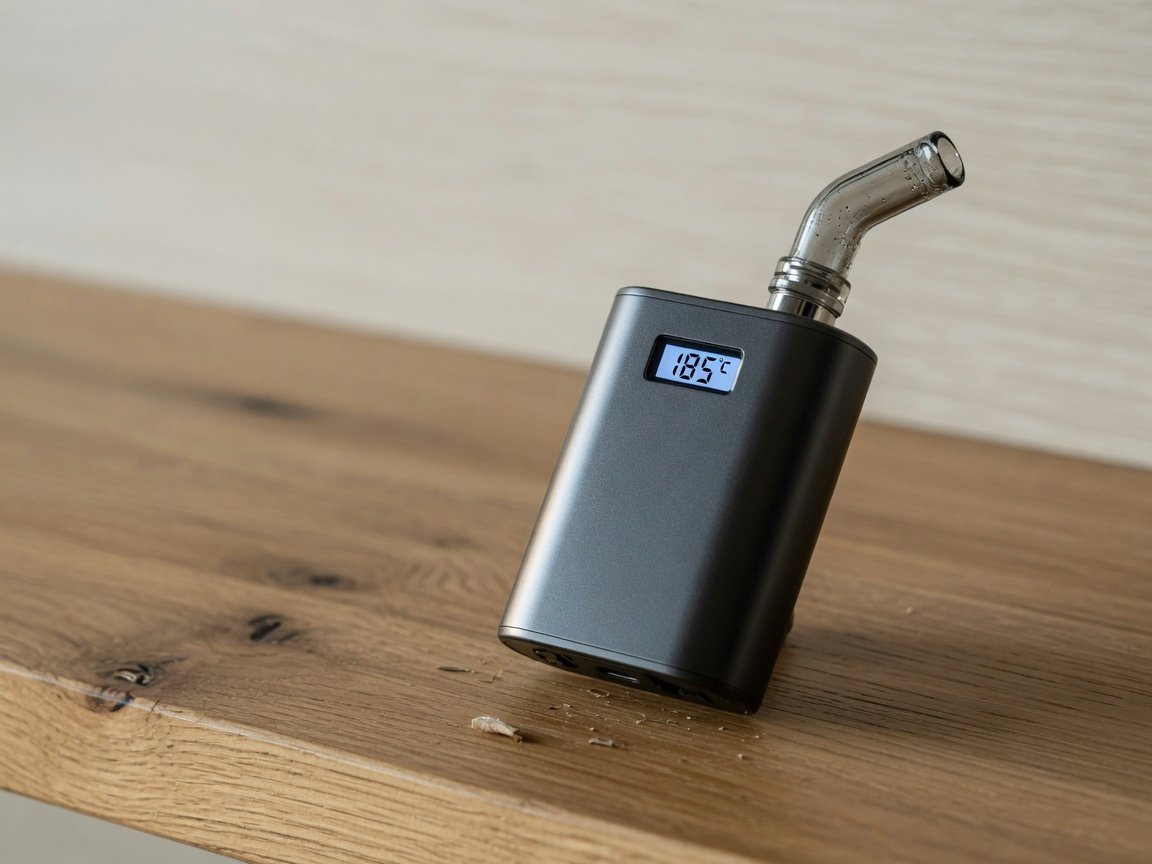
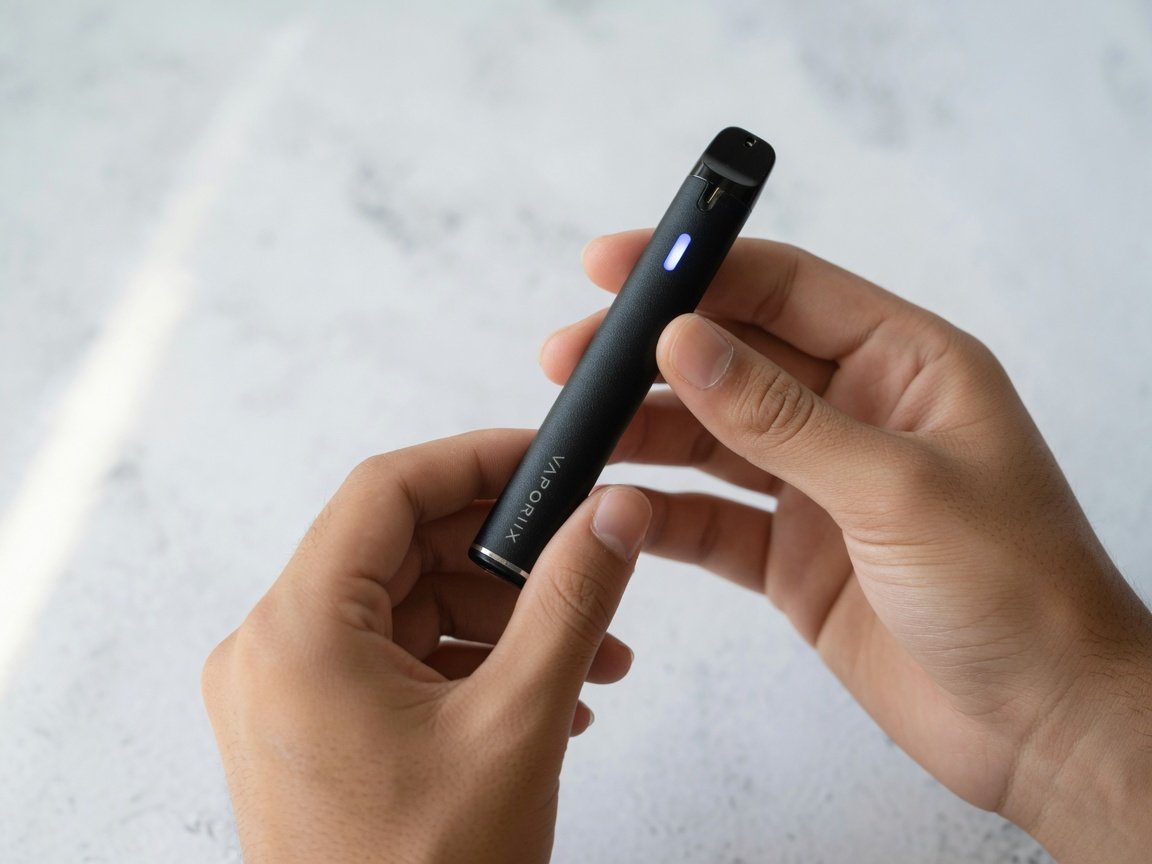
Vaping correctly means choosing the right device, filling it properly, inhaling at the right pace, and keeping everything clean. Get those four things right and you’ll have a satisfying experience from day one — and a much better chance of staying off cigarettes for good. Here’s exactly how to do it.
Key Takeaways
- Over 4.5 million adults in the UK now vape, according to Action on Smoking and Health (ASH UK) — making correct technique more important than ever.
- The UK Health Security Agency (UKHSA) recognises vaping as substantially less harmful than smoking when devices are used as intended and set up correctly.
- Choosing the wrong nicotine strength is cited as the leading reason new vapers abandon their devices and return to cigarettes within 60 days.
- There are two fundamentally different inhale techniques — mouth-to-lung and direct-to-lung — and using the wrong one for your device is the single most common beginner mistake in 2026.
Contents
What Does “Vaping Correctly” Actually Mean?
Vaping “correctly” isn’t just about pressing a button and inhaling. It’s a combination of device choice, e-liquid selection, inhale technique, and ongoing maintenance. Miss any one of those elements and the experience suffers — you might get dry hits, harsh throat sensations, or simply not enough nicotine to satisfy a craving.
Industry surveys conducted in 2025 found that approximately 60% of first-time vapers received no meaningful guidance on technique before their first use. That gap leads to frustration, wasted money, and — too often — a return to cigarettes. The good news is that vaping correctly is entirely straightforward once you understand a handful of core principles.
Think of it like making coffee. You can pour hot water over grounds in a mug and get something drinkable — but knowing grind size, water temperature, and brew time transforms the result entirely. Vaping works the same way. The right settings and the right technique make the difference between something tolerable and something you’ll genuinely enjoy.
Vapeshopsuk.com brings together vetted retailers and trusted brands from across the UK, making it easier to find devices and e-liquids genuinely suited to your experience level. Whether you’re switching from cigarettes or refining a setup you’ve had for months, starting from a position of knowledge changes everything.
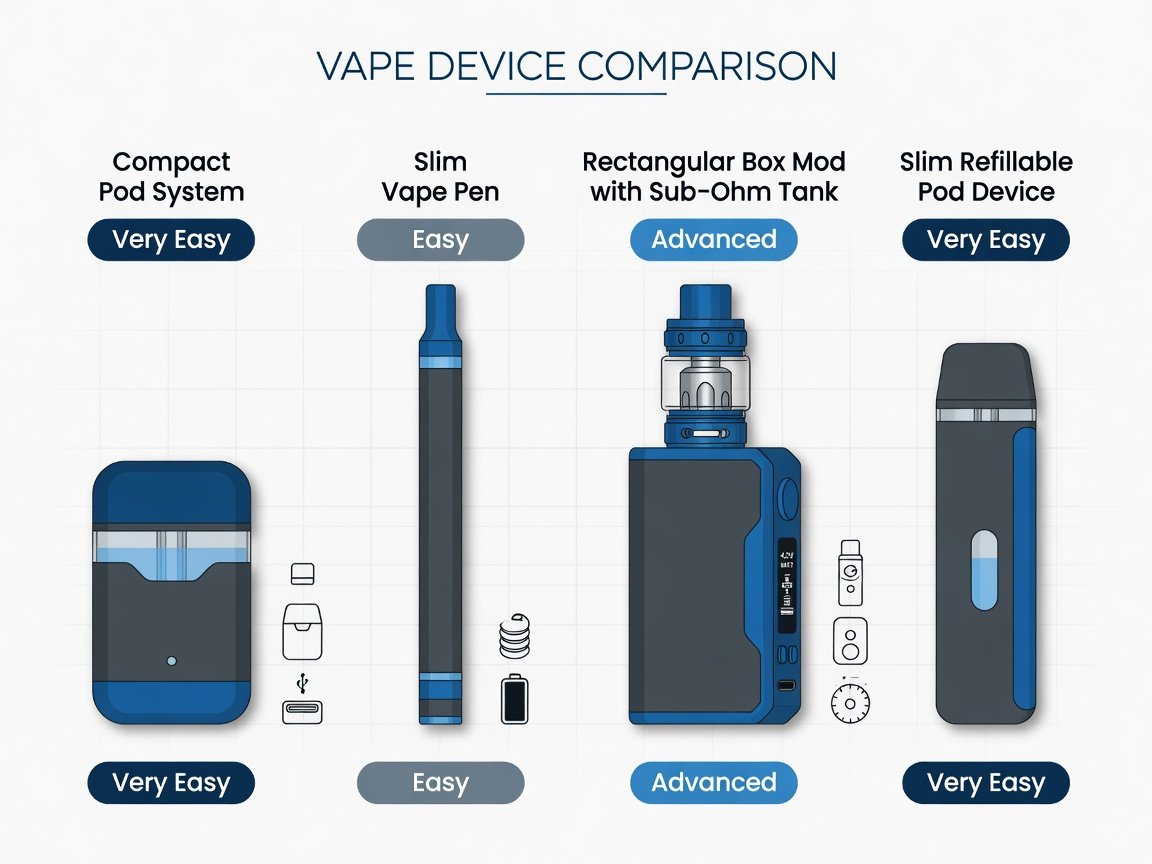
Choosing the right device type is the first decision every new vaper faces — and the right choice depends almost entirely on your inhale preference and nicotine needs.
What Equipment Do You Need to Start Vaping Correctly?
The UK vaping market offers hundreds of devices, but beginners need to filter the noise quickly. The right starter kit depends primarily on your goals — whether you’re quitting smoking or vaping recreationally — and your preference for simplicity versus control.
Pod systems dominate beginner choices in 2026. Industry sales data indicates that pod-style devices now account for over 55% of UK vape device sales, driven by ease of use, portability, and strong compatibility with nicotine salt e-liquids. They’re also leak-resistant by design, which matters enormously when you’re just starting out.
Device Type
Best For
Inhale Style
Complexity
Pod System (e.g. SMOK Nord, Vaporesso XROS)
Beginners switching from smoking
MTL
Very low — fill, charge, vape
Vape Pen (e.g. Innokin Endura, Aspire PockeX)
Beginners to intermediate users
MTL / restricted DTL
Low — basic settings only
Box Mod + Sub-Ohm Tank
Experienced users wanting bigger clouds
DTL
High — wattage, coil selection, airflow
Compliant Refillable Pod (post-disposable ban)
Users transitioning from disposables
MTL
Very low — familiar format, refillable
Beyond the device itself, you’ll need a compatible e-liquid, a USB-C charging cable, and spare coils or pods once the first set wears out. Starting simple keeps the learning curve manageable — and there’s always room to upgrade once you know what you genuinely enjoy.
How Do You Choose the Right E-Liquid?
E-liquid choice is where most new vapers stumble. There are four variables you need to get right: nicotine strength, nicotine type, PG/VG ratio, and flavour. Each one affects your experience differently, and they need to work together as a system.
In the UK, the Tobacco and Related Products Regulations (TRPR) cap nicotine concentration at 20mg/ml in a 10ml bottle — a legal standard enforced by the MHRA. You won’t encounter the ultra-high 50mg/ml salts common in the US market. All e-liquids sold through legitimate UK retailers listed on Vapeshopsuk.com comply with this standard.
PG/VG ratio affects your experience more than many beginners realise. Higher propylene glycol (PG) produces a sharper throat hit and more intense flavour — closer to the sensation of a cigarette. Higher vegetable glycerin (VG) produces smoother, denser vapour with bigger clouds. For MTL devices and pod systems, a 50/50 or 60PG/40VG blend is ideal. For sub-ohm tanks, aim for 70VG/30PG or higher.
Nicotine salts are a genuine game-changer for ex-smokers. Research suggests nic salts are absorbed more rapidly than standard freebase nicotine, delivering faster craving relief — which is why approximately 70% of MTL vapers in 2026 now prefer salt-based e-liquids, according to vaping trade association surveys. For anyone switching from cigarettes, nic salts in a pod system are the clear starting point.
What Is the Correct Way to Inhale When Vaping?
This is the most important technical skill to get right — and the one most people get wrong first. There are two distinct inhale methods, and they are not interchangeable. Using the wrong one for your device or nicotine strength causes immediate problems.
Mouth-to-Lung (MTL)
MTL replicates the way you smoke a cigarette. You draw vapour into your mouth first, hold it briefly, then inhale it into your lungs. This technique works with higher nicotine strengths and tighter-draw devices like pod systems and standard vape pens. It produces a satisfying throat hit without overwhelming your lungs with vapour volume. For anyone coming from smoking, this is the correct technique to start with.
Direct-to-Lung (DTL)
DTL means inhaling directly into the lungs in a single, open draw — like a deep breath. It’s used with sub-ohm devices running at lower nicotine strengths, typically 3mg or 6mg freebase. Vapour volume is much higher, producing the dense, visible clouds associated with experienced vapers. Using DTL technique with a high-nicotine e-liquid — a mistake that’s alarmingly common — causes intense dizziness and nausea that puts many beginners off vaping permanently.
~80% of beginners switching from cigarettes are better suited to mouth-to-lung (MTL) technique, which more closely replicates the smoking sensation and works safely alongside higher nicotine strengths.
Draw speed matters just as much as draw style. Vaping doesn’t require the sharp pull of a cigarette. A slow, steady draw lasting three to five seconds allows the coil to vaporise e-liquid efficiently without scorching the cotton wicking material. Fast, hard draws are the primary cause of the feared “dry hit” — a harsh, acrid burnt taste that ruins coils prematurely and tastes genuinely unpleasant.
How Do You Set Up Your Vape Device for the First Time?
First-time setup is where most avoidable problems begin. Follow these steps in order and you’ll sidestep the most common early mistakes — including the coil-burning dry hit that sends so many beginners straight back to cigarettes.
1
Charge your device fully before first use. Most starter kits ship with a partial charge. Plug in via USB-C and charge to 100% — this calibrates the battery management system and sets you up for consistent power delivery from day one.
2
Install a fresh coil or pod cartridge. If you’re using a tank-style device, screw in a new coil firmly. Pod systems use replaceable pod cartridges — slot them in until you hear or feel a click confirming they’re seated correctly.
3
Prime the coil — this step is non-negotiable. Add three to five drops of e-liquid directly onto the exposed cotton wicking ports on the coil body. This pre-saturates the wick before filling. Skipping this step causes an immediate dry hit and destroys the coil before you’ve even started.
4
Fill the tank or pod with e-liquid. Fill slowly to avoid air bubbles. Leave a small air gap at the top to allow for expansion. Never fill to the absolute brim — liquid sitting in the airflow channel causes spitting and gurgling directly into your mouth.
5
Wait 5–10 minutes before your first draw. This allows the e-liquid to fully saturate the cotton wick from every angle. Impatience at this stage is the second most common cause of a burnt first hit. The wait is genuinely worth it.
6
Take a few gentle primer puffs without firing. On devices that allow airflow-only draws, take two or three gentle inhales without pressing the fire button. This helps seat the liquid in the wick and confirms everything is flowing correctly before you apply heat.
7
Start at the lowest recommended wattage setting. If your device has adjustable wattage, begin at the lower end of the coil’s printed rating range and increase gradually over the first day. Starting at maximum power on a new coil shortens its lifespan significantly and affects flavour quality.
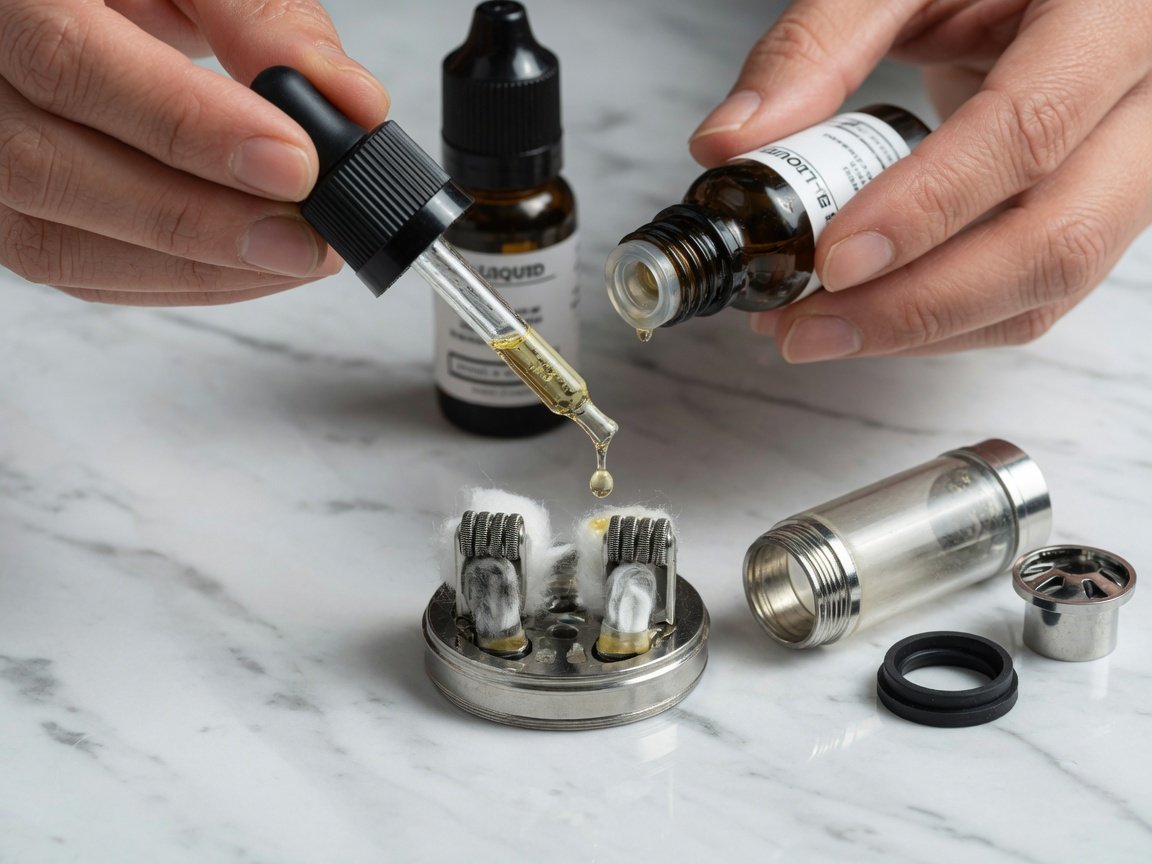
Priming the coil before filling — adding a few drops of e-liquid to the wicking ports — is the single most important step in any first-time vape setup.
How Do You Avoid the Most Common Vaping Mistakes?
Even experienced vapers make these errors occasionally — but beginners are most at risk because they don’t yet recognise the warning signs. Here are the mistakes that cause the most frustration, and how to avoid every one of them.
⚠ Chain Vaping: The Coil Killer Taking hit after hit without pause overheats the coil and prevents the wick from re-saturating between draws. Wait 20–30 seconds between puffs. Chain vaping is the single leading cause of premature coil burnout — and the dry hits it produces are immediately unpleasant.
- Not priming the coil — always soak the wicking material before first use, or you’ll burn it on the very first draw and need to replace it immediately
- Using the wrong PG/VG ratio — thick, high-VG liquids won’t wick properly in the tight coils of most pod systems, causing dry hits regardless of how long you wait
- Ignoring low battery warnings — running a device at low charge produces inconsistent power output, affecting both flavour accuracy and vapour production
- Storing e-liquid in direct sunlight or heat — UV light and warmth degrade nicotine and flavour compounds; store all liquids in a cool, dark place away from children
- Overfilling the tank — excess liquid floods the airflow channels and causes spitback, where hot liquid droplets reach your mouth mid-draw
- Never cleaning the device — residue builds up on connectors, inside the mouthpiece, and around the coil base, affecting both hygiene and flavour quality over time
- Switching flavours without rinsing — going directly from a strong tobacco e-liquid to a light fruit flavour without rinsing the tank produces a muddy, unpleasant combined taste
A 2025 UK vaping behaviour survey found that vapers who received structured technique guidance on their first device experienced 40% fewer device problems in the first three months compared to those who learned entirely by trial and error. The difference was almost entirely attributable to coil priming practice and correct draw speed.
What Nicotine Strength Is Right for You?
Choosing the right nicotine strength is arguably the single most critical decision a new vaper makes. Too low and you’ll still crave cigarettes intensely; too high and you’ll feel dizzy, nauseous, and put off the whole experience. Neither outcome leads to long-term success.
NHS stop smoking guidance consistently emphasises that matching nicotine intake to your previous smoking level gives you the best statistical chance of a successful transition. The table below reflects the framework used by stop smoking advisers across NHS services in England.
Daily Cigarettes
Freebase Nicotine
Nicotine Salt
Notes
1–5 (light smoker)
3mg
5–10mg
Start conservative — increase if cravings persist
6–10 (occasional smoker)
6mg
10mg
Solid starting point for social smokers
11–20 (regular smoker)
12mg
18mg
The most common transition strength in the UK
20+ (heavy smoker)
18mg
20mg (TPD maximum)
Maximum legal concentration in the UK
ASH UK data from 2025 indicates that wrong nicotine strength is cited by around 45% of vapers who returned to smoking within 60 days of their first attempt. This single variable has more influence on quit success than device type, flavour preference, or price point combined. If your first choice doesn’t feel right after two or three days, adjusting the strength — rather than abandoning vaping — is almost always the right move.
How Do You Maintain Your Vape Device Properly?
A well-maintained device lasts years and delivers consistent, enjoyable flavour throughout its life. A neglected one becomes unreliable within weeks. The good news is that maintenance isn’t complicated — it just needs to be consistent.
- Change coils regularly: Most coils last one to two weeks with daily vaping. Signs it’s time to replace include a noticeable burnt or muted taste, visibly reduced vapour output, or darkened cotton visible through tank windows.
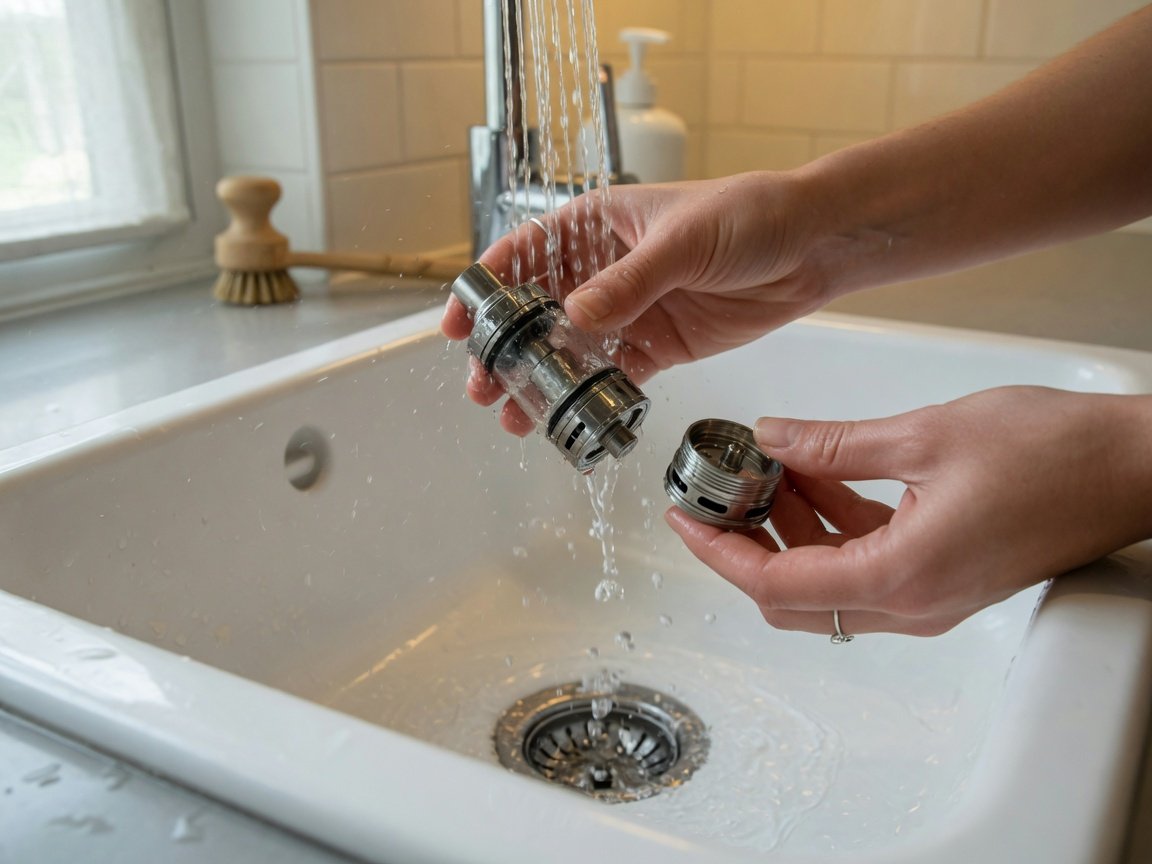
- Clean the tank weekly: Empty the tank fully, rinse with warm water, and allow to dry completely before refilling. This prevents flavour ghosting when you switch between different e-liquid types.
- Keep battery contacts clean: Use a dry cotton bud to remove any e-liquid residue from the battery connection points every few weeks. Even small amounts of residue affect power transfer.
- Charge sensibly: Avoid leaving devices on charge overnight. Lithium-ion batteries maintain optimal health when kept between 20% and 80% charge where practical.
- Store upright at all times: Always stand your tank or pod system vertically when not in use. Storing on its side allows e-liquid to seep past the coil and into the airflow channels, causing leaking and flooding.
- Check O-rings when changing coils: These small rubber seals prevent leaks at every tank joint. Inspect them each time you change a coil — a worn O-ring is one of the most common causes of persistent leaking.
Device testing data collected across UK vaping communities in 2025 found that vapers following a basic weekly cleaning routine extended coil life by an average of up to 60% compared to those who changed coils only when flavour deteriorated noticeably. Given that coils cost between £3 and £8 each depending on brand, that consistency translates into real savings over a year of vaping.
What Are the Rules for Vaping in Public in the UK?
UK law does not apply the same blanket prohibition to vaping that it does to smoking in public spaces. However, the picture is considerably more nuanced than “vaping is allowed everywhere” — and getting it wrong can lead to confrontation or embarrassment in public settings.
The Smoke-Free (Premises and Enforcement) Regulations 2006 does not cover e-cigarettes. There is currently no national law banning vaping indoors as a categorical rule — but individual premises set their own policies, and those policies carry weight. Train operators, NHS hospitals and GP surgeries, shopping centres, schools, and many workplaces prohibit vaping entirely on their premises, regardless of national law.
✓ The practical rule for 2026: If you wouldn’t smoke there, assume vaping is also prohibited. Always ask if genuinely unsure — most venues have a designated area. This applies even in spaces where vaping isn’t legally banned, because courtesy and perception matter as much as compliance.
The Tobacco and Vapes Bill, which progressed through UK Parliament in 2025, includes provisions giving local authorities and devolved governments clearer powers to designate smoke- and vape-free zones. The regulatory landscape for public vaping will continue to evolve through 2026 and 2027, so staying current matters.
Vape considerately as a baseline rule. Blowing large clouds in crowded areas, near children, or in enclosed public spaces damages the wider perception of responsible vaping — and responsible vaping is precisely what protects the regulatory freedoms the UK vaping community currently holds. The individual behaviour of every vaper feeds into how regulators and the public view the product category as a whole.
What Do Experts Say About Vaping Correctly?
“The biggest mistake we see in stop smoking clinics is people using a sub-ohm device designed for direct-to-lung vaping with a 20mg nicotine salt liquid. The nicotine hit is immediate and overwhelming — it puts them off vaping entirely within the first session. Matching device to technique to nicotine strength is the absolute foundation of a successful switch from cigarettes.” — Emma Clarke, Senior Stop Smoking Adviser, NHS Community Health Trust, 2025
“Priming the coil is non-negotiable and it’s the step nobody explains clearly enough. I’ve seen vapers burn through three coils in a single day simply because they fired the device straight out of the box. It takes sixty seconds and it’s the difference between an enjoyable first experience and a burnt taste that makes someone give up immediately.” — Tom Barker, Vaping Device Technical Consultant and UK Industry Trainer, 2025
“Draw speed is the most underestimated variable in vaping technique. A slow, deliberate draw of three to five seconds is optimal for coil efficiency and consistent vapour production. Rushing it is the equivalent of brewing tea for thirty seconds and wondering why it tastes weak — the physics simply don’t have time to work.” — Dr. Sarah Mitchell, Public Health Researcher specialising in Nicotine Delivery Products, University of Hertfordshire, 2026
The consensus across UK harm reduction specialists in 2026 is clear: correct technique significantly improves both the vaping experience and the likelihood of staying smoke-free long term. The UKHSA’s well-established position — that vaping is substantially less harmful than smoking when used as intended — depends on people using these products correctly. That “as intended” qualifier does a lot of work, and technique is at its core.
What Vaping Trends Are Shaping 2026 and Beyond?
The UK vaping landscape is shifting fast. Understanding these trends helps you make smarter decisions about your setup — and keeps you ahead of regulatory changes that could affect what’s available to buy.
- Refillable pods replacing disposables at scale: Following the UK disposable vape ban that came into effect in mid-2025, the market has pivoted sharply toward refillable pod systems offering the same convenience with lower environmental impact. Sales of refillable starter kits rose by over 35% in the first half of 2025 according to vaping trade body data.
- Nicotine pouches as a complementary product: Tobacco-free nicotine pouches are growing alongside e-cigarettes — particularly for situations where vaping isn’t practical. Stop smoking advisers increasingly recommend both categories in combination, giving users more flexibility across different settings.
- Smart devices with usage tracking: Bluetooth-connected vape devices that sync with smartphone apps to track vaping frequency and nicotine intake have entered mainstream availability in 2026. NHS stop smoking services in several regions are piloting these devices as clinical tools for behaviour monitoring.
- Flavour innovation within UK regulatory limits: Despite TPD restrictions, e-liquid flavour development continues to advance — particularly in botanical, dessert, and complex beverage categories — with improved flavour accuracy from UK-based manufacturers working within compliance frameworks.
- Stricter online age verification: The Online Safety Act has accelerated robust age verification requirements for UK e-cigarette retailers. Expect continued tightening of compliance standards for any online vape store operating in the UK market through 2027, affecting both how you buy and what verification steps you’ll need to complete.
Vapeshopsuk.com tracks the evolving UK retailer landscape and lists compliant stores carrying next-generation products as they reach the market — making it a practical first stop for anyone navigating these changes.
Frequently Asked Questions About How to Vape Correctly
How long should you hold vapour in your lungs?
You don’t need to hold it at all. Unlike inhaling cannabis smoke, nicotine from vapour is absorbed almost instantly on contact with lung tissue. Holding vapour in beyond a natural inhale doesn’t increase nicotine absorption — it just irritates your airways unnecessarily. Exhale naturally and comfortably.
Why does my vape taste burnt even with a brand-new coil?
Almost certainly because the coil wasn’t primed before use. Even with a brand-new coil, the cotton wick needs to be fully saturated with e-liquid before you apply any heat. Add a few drops directly to the wicking ports, fill the tank, and wait at least five minutes before your first draw. Firing dry cotton even briefly causes permanent charring that affects flavour for the coil’s entire remaining life.
How many puffs is equivalent to one cigarette?
There’s no exact answer — it varies by device, nicotine strength, and individual draw style. As a working guideline used by NHS stop smoking advisers, approximately 10–15 puffs on a pod system with 18mg nicotine salt delivers broadly comparable nicotine to one cigarette. Adjust based on how satisfied you feel after a session rather than trying to hit a fixed number.
Is it safe to vape indoors in your own home?
No UK law prohibits vaping in your own home. However, if you share your living space with children, pregnant individuals, or anyone with a respiratory condition, it’s considerate to vape in a well-ventilated area or near an open window. The UKHSA notes that secondhand vapour exposure presents significantly lower risk than secondhand cigarette smoke — but it isn’t zero, and courtesy to others in your home is always worth applying.
Why is my vape leaking?
Leaking is caused by one of three things in the vast majority of cases: overfilling the tank beyond the maximum fill line, damaged or worn O-ring seals, or storing the device horizontally rather than upright. Fill to the max line only, inspect O-rings every time you change a coil, and always store your vape standing vertically. If leaking persists after correcting all three, the O-ring likely needs replacing — they’re inexpensive and available from most UK vape retailers.
Can you vape too much? What are the signs?
Yes. Excessive vaping, particularly at high nicotine strengths, leads to nicotine overconsumption. Signs include headache, dizziness, nausea, and a noticeably rapid heartbeat. If you experience any of these symptoms, stop vaping and drink water. Most users naturally regulate their vaping frequency over time to match their genuine nicotine needs. If symptoms persist or recur regularly, speak to your GP or a pharmacist — they can advise on harm reduction and nicotine management without judgement.
How often should you replace your vape coil?
For regular daily vapers, most coils last one to two weeks. Replace when you notice a burnt or significantly muted flavour, reduced vapour output, or darkened cotton wick visible through your tank’s window. Sweet dessert e-liquids and dark tobacco blends gunk coils faster than light fruit or menthol options — so your replacement frequency may vary depending on what you vape most.
What is the difference between mouth-to-lung and direct-to-lung vaping?
Mouth-to-lung (MTL) involves drawing vapour into your mouth first, then inhaling into your lungs — just like smoking a cigarette. Direct-to-lung (DTL) means inhaling the vapour straight into your lungs in one continuous breath, without a mouth pause. MTL works with tighter-draw pod systems and higher nicotine strengths. DTL is for open-draw sub-ohm devices with low-nicotine e-liquids. Using the wrong method for your device causes either a harsh, overpowering hit or an unsatisfying, weak draw.
Start Vaping Correctly From Day One
Vaping correctly isn’t complicated — but it does require starting with the right information rather than learning exclusively through trial and error. The vapers who succeed long term are the ones who spend ten minutes understanding their device before they use it, match their nicotine strength to their smoking history, and keep their setup clean and well-maintained.
Here’s a practical implementation timeline for your first two weeks:
- Day 1: Choose a starter pod kit. Match your nicotine strength to your daily cigarette count using the table in this guide. Prime the coil before anything else. Wait five minutes after filling. Take your first slow, steady MTL draw and note how the throat hit compares to a cigarette.
- Days 2–3: Focus entirely on draw technique. Slow and deliberate — three to five seconds per draw, no chain vaping. Notice whether the nicotine delivery feels right. If you’re still craving cigarettes strongly, consider moving up one nicotine strength level.
- End of Week 1: Check the coil’s condition. Clean the mouthpiece and connection points with a dry cloth. Note how much e-liquid you’ve used — this tells you a lot about your natural vaping frequency and whether your device and nicotine level are genuinely working for you.
- Week 2: If you feel settled, experiment with a different flavour profile. If you feel comfortable and cravings are managed, you might try dropping one nicotine strength level. The goal is gradual reduction over time — not immediate deprivation.
- Ongoing: Replace coils every one to two weeks, clean the tank weekly, and stay current with UK regulatory changes through resources available via Vapeshopsuk.com.
The UK’s network of specialist vape retailers — many listed through Vapeshopsuk.com — can also provide in-person guidance that makes a real difference to early-stage vapers. Don’t underestimate the value of walking into a shop, holding a device in your hand, and asking for a demonstration before committing to a purchase.
✓ The bottom line: Prime your coil. Match your nicotine strength to your smoking history. Draw slowly. Maintain your device weekly. Do those four things consistently and you’ll have a vaping experience that actually works — one that’s genuinely capable of replacing cigarettes for good in 2026 and beyond.
-–